public, experts weren’t alarmed about pathogens. They were concerned about transparency. For years, consumers have struggled to decode labels like “natural,” “enhanced,” or “processed in.” Now even straightforward labels seemed suspect.
As one expert said: “The problem isn’t the meat. The problem is the lie.”
Supermarkets rushed to respond, claiming ignorance and pointing to third-party certifications and audits. Technically, they were correct—grocery chains don’t process the meat; they’re the final stop in a long, tangled supply chain.
But consumers didn’t care about technicalities. They cared that the steak they bought
livery? Improper transport? Packages were returned or tossed—but no alarms sounded.
Then the complaints multiplied.
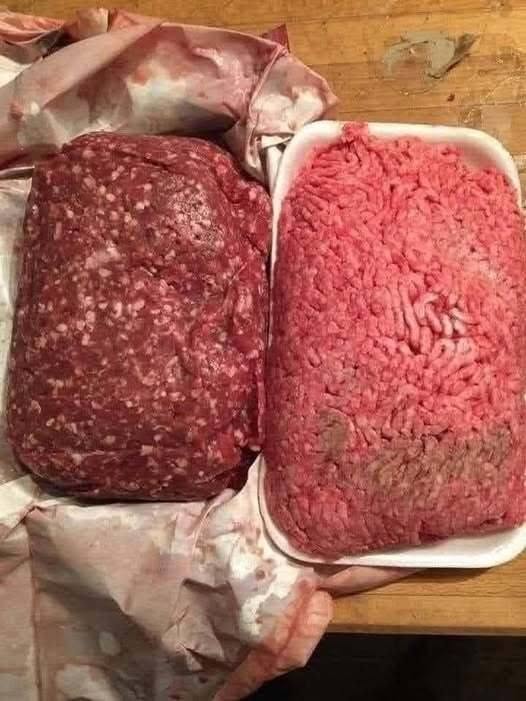
Online forums buzzed with stories. Facebook groups shared warnings. Food bloggers posted side-by-side comparisons of meat bought weeks apart. The pattern was widespread and undeniable.
The tipping point came when a small independent food-testing group investigated. Expecting minor issues, they discovered something far more troubling.
Some meat distributors—not the grocery stores
Para ver los pasos completos de la preparación, dirígete a la página siguiente o haz clic en el botón (>)